
CREW LIFE / CABIN CREW CLASS
Packing Your Personal Bag: A Small Routine Before a Few Days Away
A bag that works well is not always the one with the fewest things inside. Sometimes the difference is a toothbrush you can find, clean clothes kept apart from worn ones, and one small habit after you get home. Start with a routine you can repeat without a fuss.
Sources and editorial scope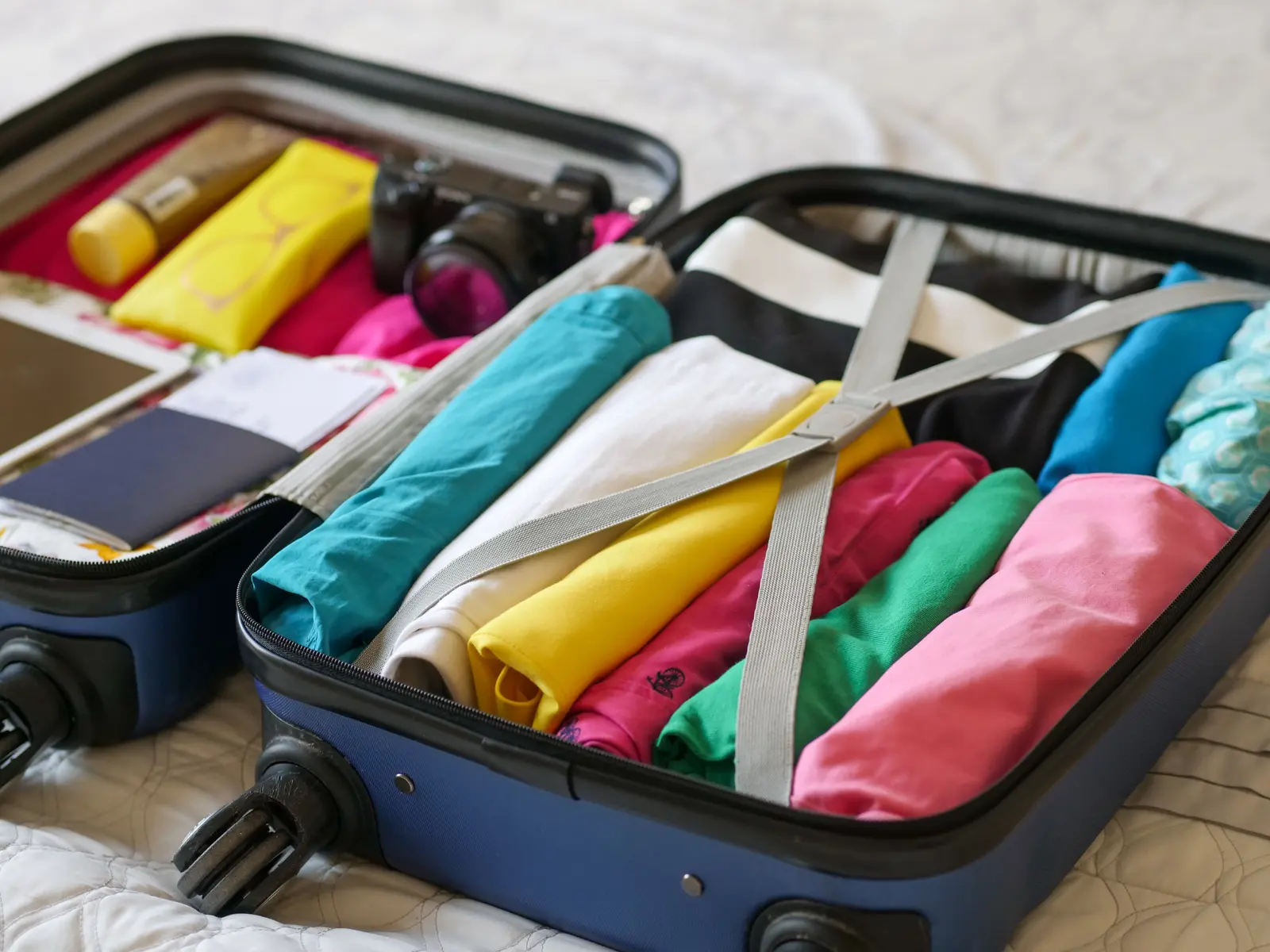
Give your bag a routine you can repeat
There is a small satisfaction in closing a bag and knowing where everything is. On its careers page, Virgin Atlantic describes cabin crew work outside a 9–5 pattern and mentions hotel stays while away. That is one airline’s context. For your personal belongings, a few days away from home can be a reason to develop a simple packing habit.
Think of the bag as a compact version of everyday life: clothes to change into, personal care essentials, and one or two things that make downtime feel familiar. There is no need to create a photogenic arrangement. A more useful measure is whether you can reach what you need without emptying the bag, then pack it again without starting from scratch each time.
Start with the days and activities you already know
Before opening the wardrobe, write down how many days you will be away and which personal activities are actually planned. Time at your accommodation, going out for something to eat, and travelling home can form a starting picture. Look at those days individually. Adding an outfit for every possible scenario usually makes the decision less clear.
Lay your clothing choices together and try pairing tops and bottoms that work in different combinations. Choose things you already feel comfortable wearing, including sleepwear and the underwear you need. If one piece only fits a single plan that may never happen, reconsider it. Leave room for personal favourites, while giving each item a reason to come along.
Group things by the way you look for them
Group the contents by use: clothes, personal care, and things for your own time. Existing pouches or simple cloth bags can work; you do not have to buy a matching set. The idea is to give belongings an address, so your hand knows where to go. One clear group is more useful than a collection of pockets whose purposes you cannot remember.
Put things you want first somewhere easy to reach. Sleepwear, for example, could sit with whatever you use soon after arriving, if that suits your habits. Give small items such as hair ties or a bookmark a consistent spot. After a few trips, keep the positions that make sense and change the ones that repeatedly send you searching.
Make a place for clothes you have worn
An outbound bag holds plans; a homebound bag carries the traces of days that have passed. Pack a separate bag for worn clothes from the beginning, even though it leaves home empty. Clean clothing then remains easy to identify. You will not have to remember which top you wore when you start packing for the journey back.
Give shoes a separate place if you bring them. When changing clothes, put things straight into their groups instead of letting everything become one mixed pile. This is not a demand to keep a room perfectly tidy. Maintain the distinctions that help most: clean items, worn items, and little belongings that need to come home. Small decisions during your stay make the next packing session simpler.
Build your personal care kit around your own routine
Start with what you actually use at home, such as a toothbrush, comb, and your chosen washing essentials. Look at your morning and evening routines and note the items involved. Not everything on the bathroom shelf needs to come along. A small kit is easier to use when its contents are familiar and everything has a clear home after use.
Keep the kit together so you can take it to wherever you get ready without collecting individual items from the bag. Afterwards, return it to the same place. Leave a note for things you can only pack just before leaving because you are still using them at home. A small reminder saying “toothbrush” helps more than hoping to remember at the last moment.
Finish with one brief check
Before closing the bag, return to your original list while looking at or touching each group. Clothes match the days you have planned, the personal care kit is packed, and there is somewhere for worn clothing. Check the note for anything you were still using earlier. Once that is clear, put the list away; there is no need to repeat the same check without a new reason.
When leaving your accommodation, look around in a consistent order: the bed, the area where you got ready, then the corners where you placed personal belongings. Match things to their groups before closing the bag. The same small sequence can mark the end of packing, allowing your attention to move to what comes next without continually imagining a forgotten item.
The next packing session begins when you get home
Back at home, start by taking out worn clothing and returning everyday belongings to their usual places. Open the pouches so you can see what needs tidying, replenishing, or removing. You do not have to complete every household task at once. This simple round stops the bag becoming a temporary cupboard until the next trip comes along.
Finally, change one thing on the list based on your own experience. Perhaps a top always comes home unworn, or a little item keeps migrating between pockets. Note the adjustment while you remember, then save the list for another time. Gradually, the routine becomes yours: organised enough to help, flexible enough to follow a few days that look different from everyday life.
SOURCES & EDITORIAL SCOPE
Sources checked
Personal packing ideas for a few days away. One official Virgin Atlantic careers source supplies the brief work-pattern context; the organisation and packing routine are original CCC editorial suggestions.
Virgin Atlantic Careers — Cabin Crew
Virgin Atlantic context only: work outside a 9–5 pattern and hotel stays while away. Not a source for packing methods or lists.
Checked:
Pexels / Kindel Media — Blue Luggage with Folded Clothes
Cover photo and photographer identification. Illustrative personal packing photograph.
Checked:
Pexels — Pexels License
Permission to use and modify Pexels photographs, subject to the restrictions on the licence page.
Checked:
Review policy: Reviewed every six months; recheck the work-context source and photo licence if they change or before replacing the asset. A source-check date is not a publication date or approval by a human reviewer.
NEXT STEP
Find more small everyday rhythms
Keep exploring crew life stories and everyday ideas in CCC Journal, following whatever you are curious about next.
Explore CCC Journal