
FOOD & DRINK / CABIN CREW CLASS
Food & Drink in Indonesia: Rendang, Regional Coffee and Jamu
Getting to know Indonesia can begin at the table. A dish, a cup of coffee or a spice-based drink introduces a different regional story. This guide helps you choose food experiences with curiosity, without trying to fit every flavour into one day.
Sources and editorial scope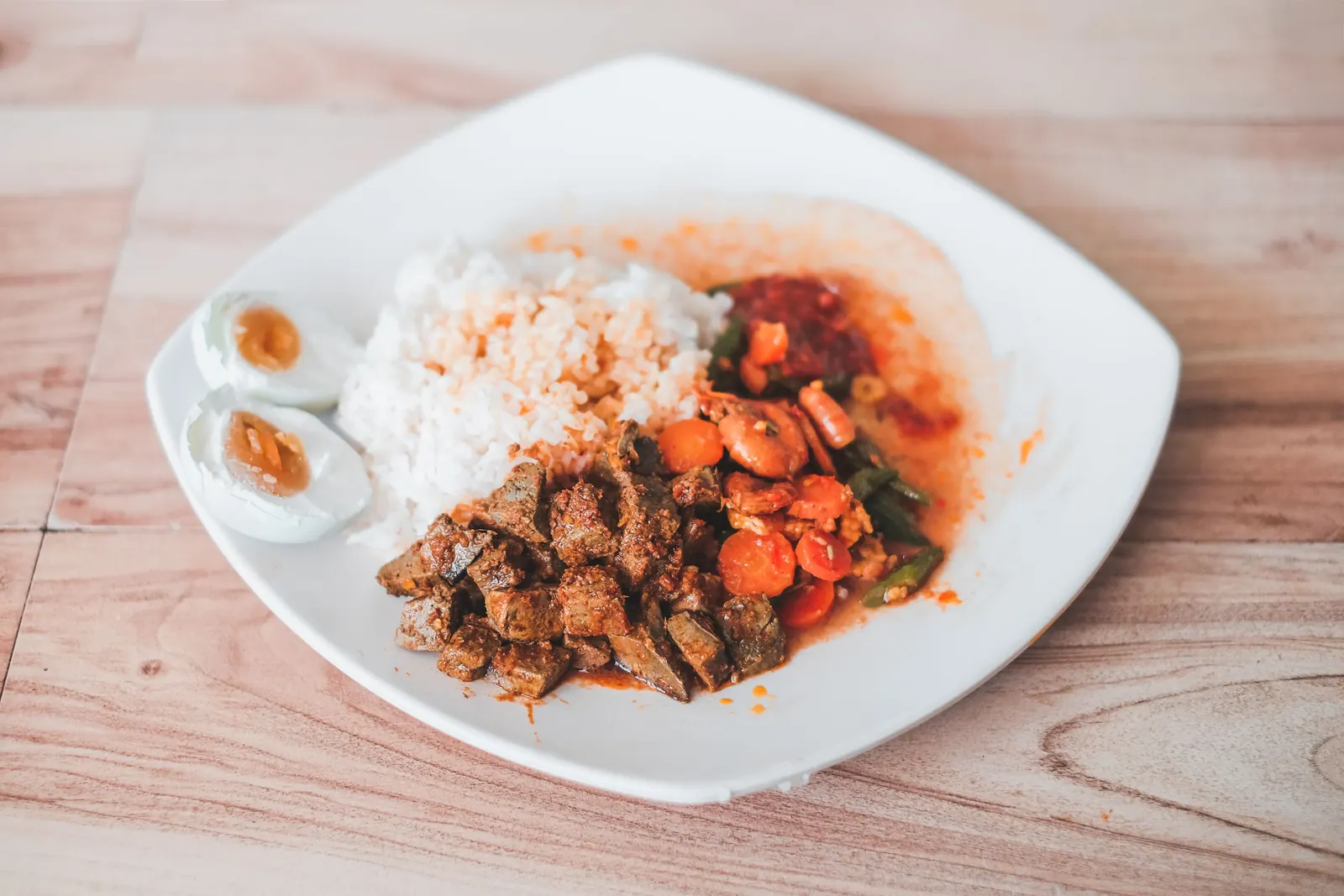
Make Food Part of the Journey
When you arrive in a city, set aside one meal you want to enjoy deliberately. Look for a dish that interests you, then allow time to read the menu and ask questions. Ingredients, presentation and a brief conversation with the people preparing the food can introduce you to a place.
This list presents a few foods and drinks as starting points. It is neither a best-of ranking nor a complete picture of Indonesia. A familiar name can also come with a different recipe. Treat those differences as part of the experience, then choose according to your preferences and dietary needs.
Four Foods to Start With
Choose a dish you have not tried, or explore a local version of something familiar. These ingredient descriptions are an overview, rather than a complete list for every restaurant.
Rendang — a Minangkabau story
Rendang is rooted in West Sumatra's Minangkabau culture. Meat is slowly cooked with coconut milk and spices. Ask about accompaniments and portions before ordering so the meal suits your preferences.
Pempek — Palembang and cuko
Palembang's pempek uses fish and starch-based flour and is served with cuko sauce. Look at the shapes and fillings available. Ask for sauce separately if you would like to explore its intensity gradually.
Nasi goreng — familiar, with many versions
Nasi goreng combines fried rice, seasonings and different additions. Ingredients and accompaniments vary between sellers. Read the menu and ask about protein, toppings and adjustable spice levels.
Gudeg — getting to know Yogyakarta's flavours
Gudeg uses young jackfruit cooked with coconut milk, sugar and seasonings. Accompaniments may include eggs or chicken; a vegetable-based dish name does not establish that the whole serving is vegetarian.
Two Drink Experiences: Regional Coffee and Jamu
A drink can be an outing in its own right. Take time to compare options and ask about ingredients. You do not need to know every coffee or spice term to enjoy the conversation.
Gayo, Toraja and Flores Bajawa coffee
These names introduce Indonesian coffee-growing regions. Ask a cafe about bean origin and available brewing methods. Begin with your preferences: black coffee, a milk-based drink or a small serving to try.
Jamu — an herbal drink with a cultural story
Jamu connects with Javanese traditions of herbal and spice-based drinks. Ask about ingredients and sweeteners. Enjoy it as a cultural experience; this article promises no health benefits or substitute for treatment.
A Food Day with Room to Enjoy It
As an editorial idea, choose one main meal featuring a local dish, then one drink stop later. In Yogyakarta, you could look for gudeg before exploring your chosen area and stop for a drink afterwards. Let your accommodation's location and that day's activities guide the route and order.
Keep room for something you discover along the way. If a place is full or its menu changes, choose an alternative nearby. A food day is about flavour and atmosphere; adding a long queue to every stop does not necessarily make it a more enjoyable experience.
Keep the Flavour Story, Then Explore Further
A short note about a dish, an interesting ingredient and a question for next time can be more useful than a long venue list. When taking photographs, leave room for other people to enjoy their meals and ask permission before photographing staff or preparation areas.
Food can connect city exploration, meeting friends and personal time. Use CCC Journal's destination and hangout guides to pair a meal with an activity in the same area. That gives a trip a sense of direction while leaving enough room to enjoy what happens along the way.
SOURCES & EDITORIAL SCOPE
Sources checked
Place and food descriptions refer to official tourism or operator sources checked on 12 October 2026. Itinerary ideas and selection tips are CCC's editorial suggestions; confirm current details for your visit.
Indonesia Travel — Rendang Minangkabau
Minangkabau origin and an overview of rendang's ingredients and preparation.
Checked:
Indonesia Travel — 12 Makanan Khas Indonesia
Context for pempek, nasi goreng and gudeg. Recipes and accompaniments vary.
Checked:
Indonesia Travel — Indonesia's Bountiful, Invigorating Coffee
Coffee origins including Gayo, Toraja and Flores Bajawa, not health claims.
Checked:
Indonesia Travel — Trip of Wonders' Lifestyle Indulgence in Jakarta
Jamu as an herbal drink in a Javanese cultural context, not a treatment recommendation.
Checked:
rakhmat suwandi / Pexels — Pexels — article cover photograph
Pexels-licensed photo; credit and usage context appear in the image caption.
Checked:
Review policy: Review every three months or when official destination or operator details change. Recheck opening times, booking terms and prices before visiting. A source-check date is not a publication date or approval by a human reviewer.
NEXT STEP
Find your next story
Explore destinations, food, everyday rituals and aviation stories in CCC Journal.
Explore CCC Journal