
AVIATION CAREERS / CABIN CREW CLASS
Airport Jobs Beyond Pilots and Cabin Crew: The Opportunities Often Overlooked
At the counter, beside an aircraft, inside a cargo warehouse and in a lounge: aviation moves because different professions meet. For a job seeker, looking only at the cockpit and cabin leaves much of the story unexplored.
Sources and editorial scope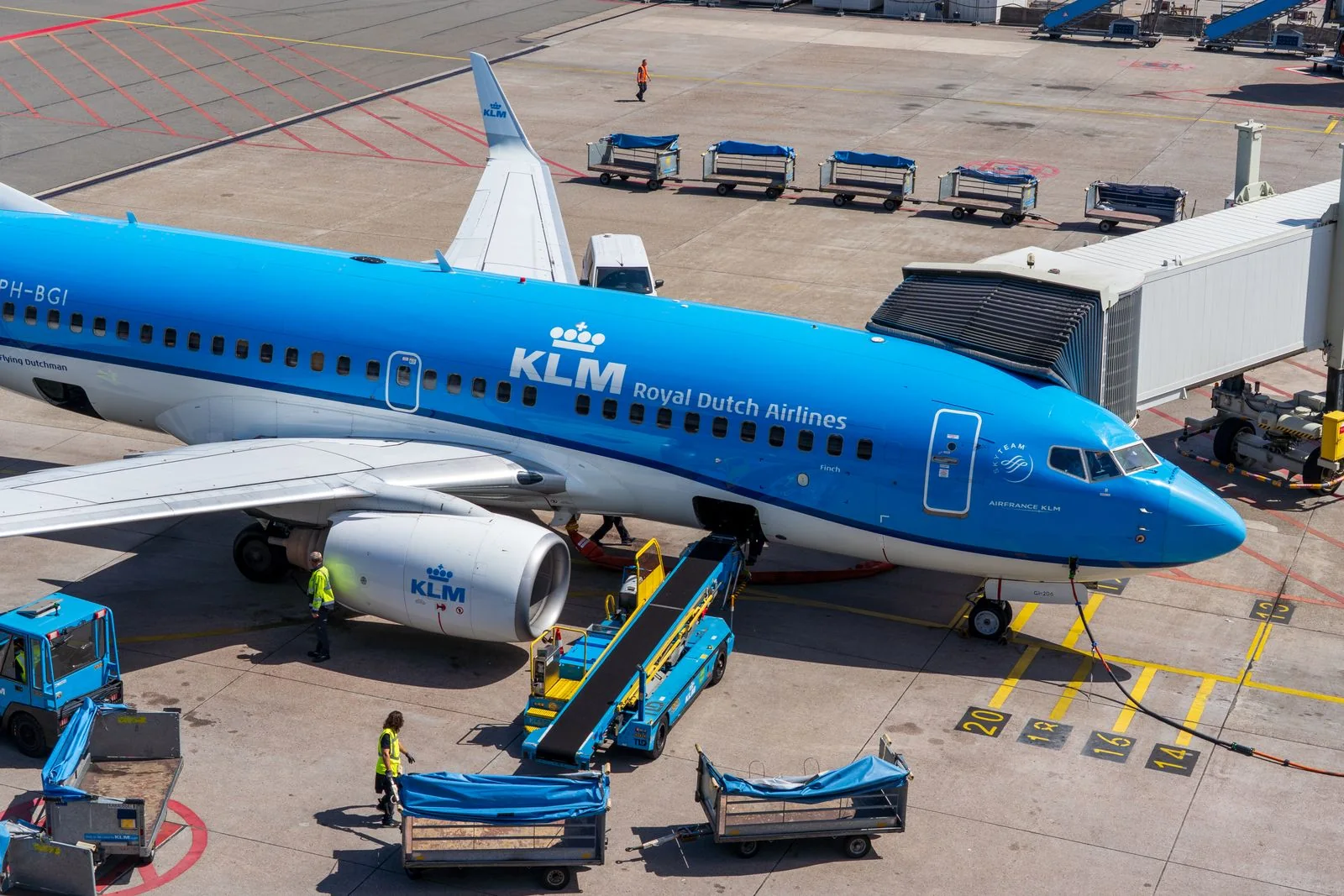
One airport can offer several recruitment routes
Swissport presents passenger services, ramp handling, air cargo and airport lounges as career areas. It illustrates how ground-service businesses work for airlines. A job search can therefore extend beyond the airline whose name appears on a passenger's ticket.
Start by identifying who is advertising a role. The airport name tells you where the work takes place; the company name tells you where the application goes. Read those details separately. Make a list of employers you want to explore, then note the types of positions actually appearing on their official channels.
Passenger services: the first face of a journey
Swissport describes check-in counters, boarding gates and assistance for passengers with reduced mobility within its passenger services. The broad term ground staff can therefore cover different working contexts. Passenger service agent is another useful title to include in a search.
If you have worked in a hotel, shop, restaurant or customer contact centre, choose an occasion when you explained information clearly. Managing a queue or keeping a difficult conversation constructive can provide material for a CV and interview. Describe your own action, then connect it with the tasks in your chosen vacancy.
Ramp handling: the work beyond the terminal window
Swissport's ramp portfolio includes aircraft towing and pushback, load control and cabin cleaning. It shows how many processes sit between an aircraft's arrival and its next journey. Each task needs to be understood in relation to the role, training and authorisation involved.
Before focusing on the chance to work close to aircraft, examine how the job is performed. Ask about the environment, shifts, physical demands and training provided or required. Evidence of organised teamwork can be useful, but it does not replace specialist qualifications when a position requires them.
Cargo: opportunities when goods are the travellers
Swissport describes cargo services spanning acceptance and documentation through to pallet and container handling. This brings aviation into the world of logistics. The focus can move from passenger interaction to goods and the accuracy of the information travelling with them.
Compare titles such as cargo agent, warehouse and cargo documentation in official announcements. Avoid assuming their daily work is identical. Look for whether tasks mainly involve paperwork, systems, physical handling or a combination. Those details help you decide which parts of your own experience are relevant to present.
Lounges: a hospitality route into the airport
For its Aspire lounges, Swissport highlights guest experience, food and beverages, cleanliness and the atmosphere of the space. Airports also contain work familiar to people in hospitality. Being close to aviation does not always mean working directly on an aircraft.
Map experience welcoming guests, maintaining a service area and coordinating with colleagues against the vacancies you find. Show what you have actually done. When moving from a hotel or restaurant, learn what changes in an airport setting through the job description, beyond the visual appeal of the lounge itself.
Read airport job requirements role by role
A single preparation package cannot automatically cover every career above. Mark the education, language, experience, licences if specified, location and work permission requested in each vacancy. Separate essential requirements from advantages. Avoid filling gaps in the announcement with assumptions of your own.
Apply the same care to employment details. Check contract type, schedule, placement and compensation components when provided in an official offer. The purpose is straightforward: understand the work you are considering, identify the employer and establish what still needs an answer before taking the next step.
Start with one job you can explain
Choose one career family and read two official job descriptions. Put their shared tasks and differences on one page. Then connect each requirement with evidence from your experience. This can support a more focused CV than sending the same account of yourself to every position.
Aviation's breadth gives you a reason to widen a search while becoming more precise about your choice. One person may enjoy passenger service, while another finds a direction in logistics or analysis. A useful first question is what work you want to do each day, followed by the preparation that role actually asks for.
SOURCES & EDITORIAL SCOPE
Sources checked
A CCC careers explainer using Swissport's service portfolio and career channels as an international example of airport work.
Swissport — Careers
Four career areas: passenger services, ramp, cargo and lounges.
Checked:
Swissport — Passenger services
Check-in, gate and passenger mobility services delivered by a ground-service provider.
Checked:
Swissport — Ramp handling
Examples of aircraft towing, load control and cabin cleaning services; not operational instructions.
Checked:
Swissport — Air cargo services
Cargo acceptance and documentation, and pallet and container handling.
Checked:
Swissport — Lounge hospitality
Aspire lounge hospitality, including food, beverages and the guest environment.
Checked:
Pexels / Martijn Stoof — KLM Aircraft at Airport Terminal with Ground Crew
Source and credit for the Amsterdam apron cover photo.
Checked:
Pexels — Pexels License
Stock photo license and restrictions on implying endorsement by people or brands pictured.
Checked:
Review policy: Reviewed every six months or when official sources change materially. A source-check date is not a publication date or approval by a human reviewer.
NEXT STEP
Go to the first source for a job.
Use official career channels to review current roles, locations and requirements. Choose the position you want to understand before preparing an application.
Open Swissport's careers channel